A Steady Gaze Falls on the Island
島嶼的凝望
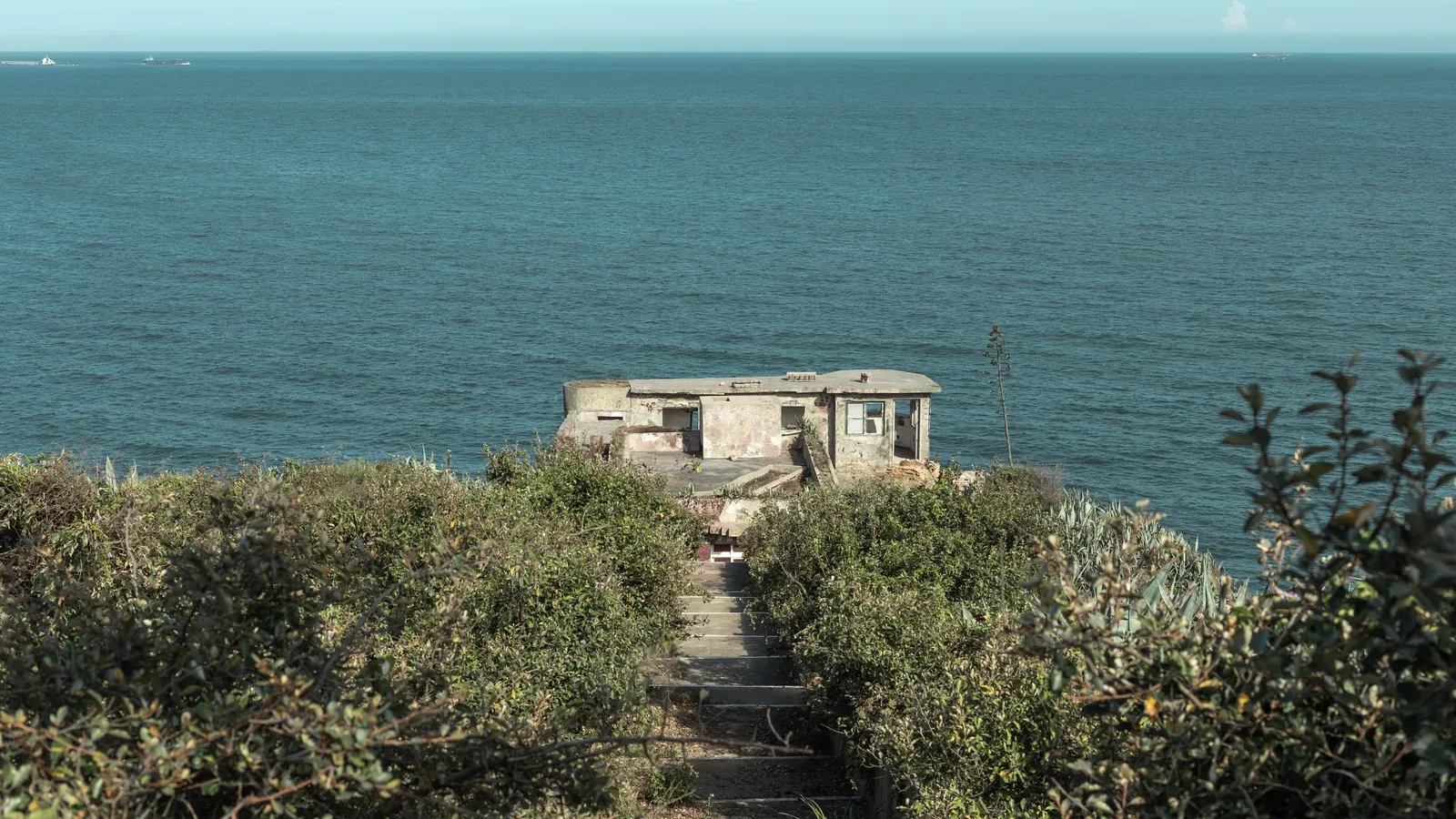
Still and moving images with handwritten text observe military sites along the edges of Nangan and Beigan, Matsu, and their relationships with time and nature.
After military use, before a new purpose.
Exhibition label
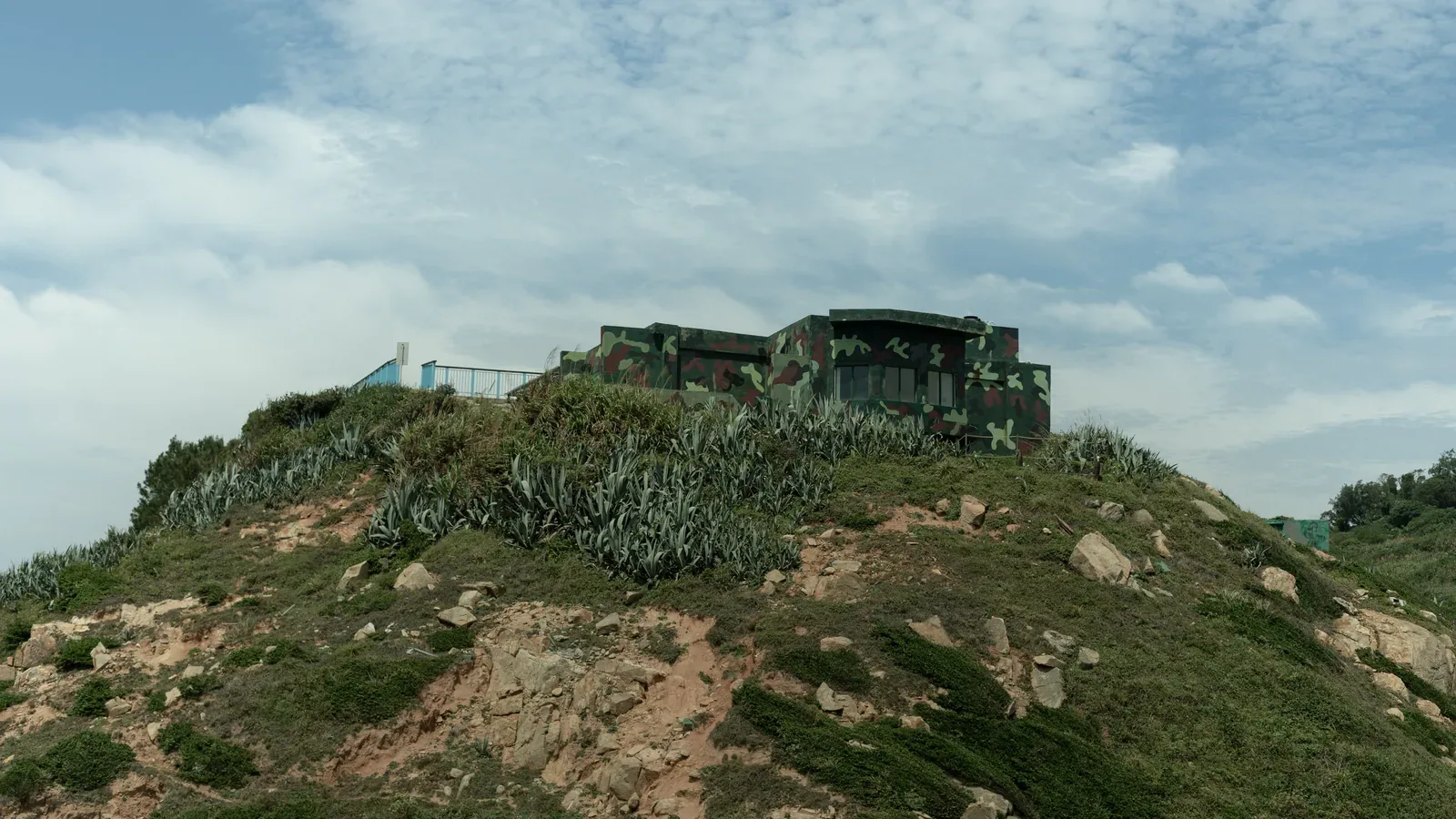
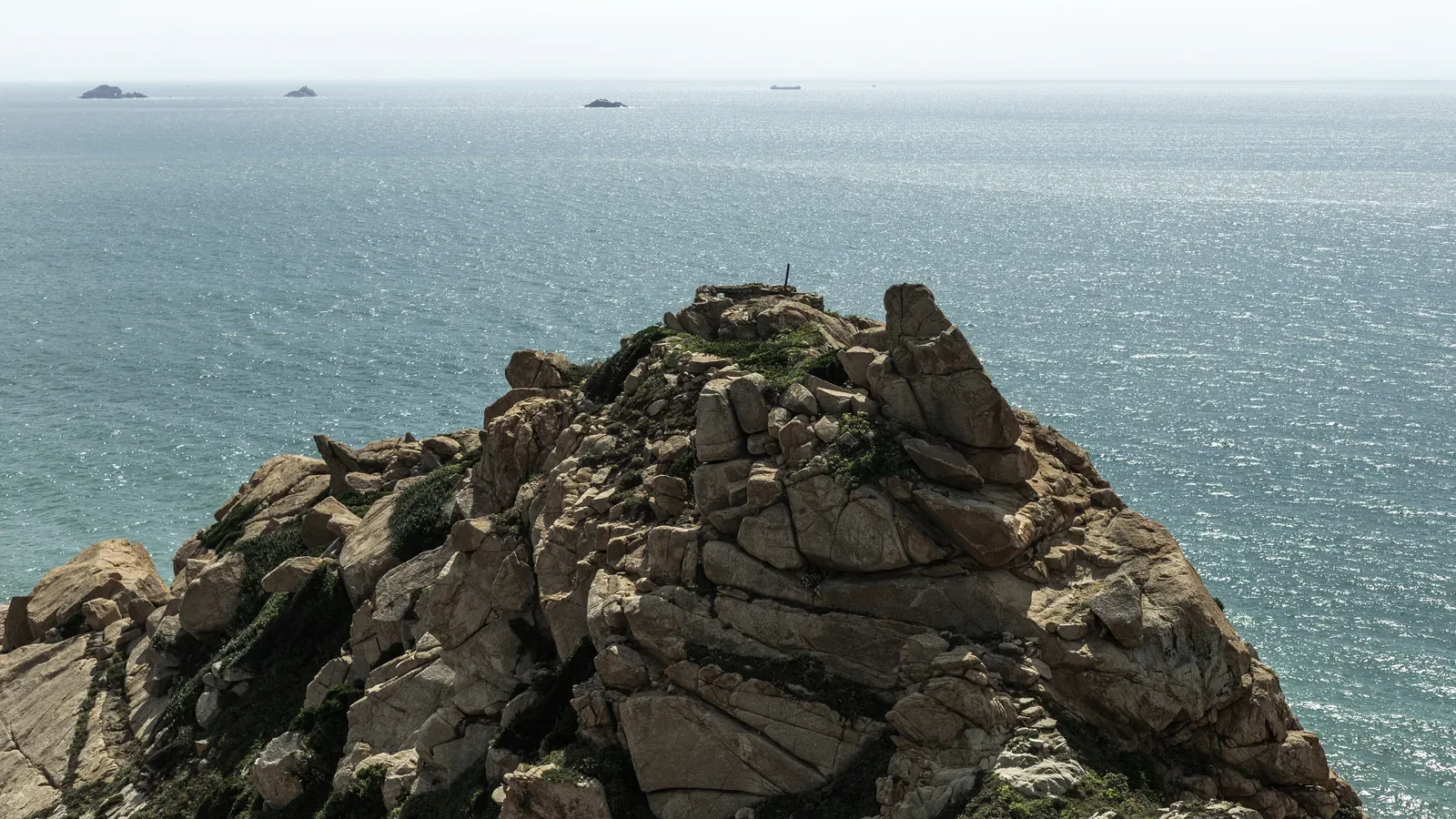
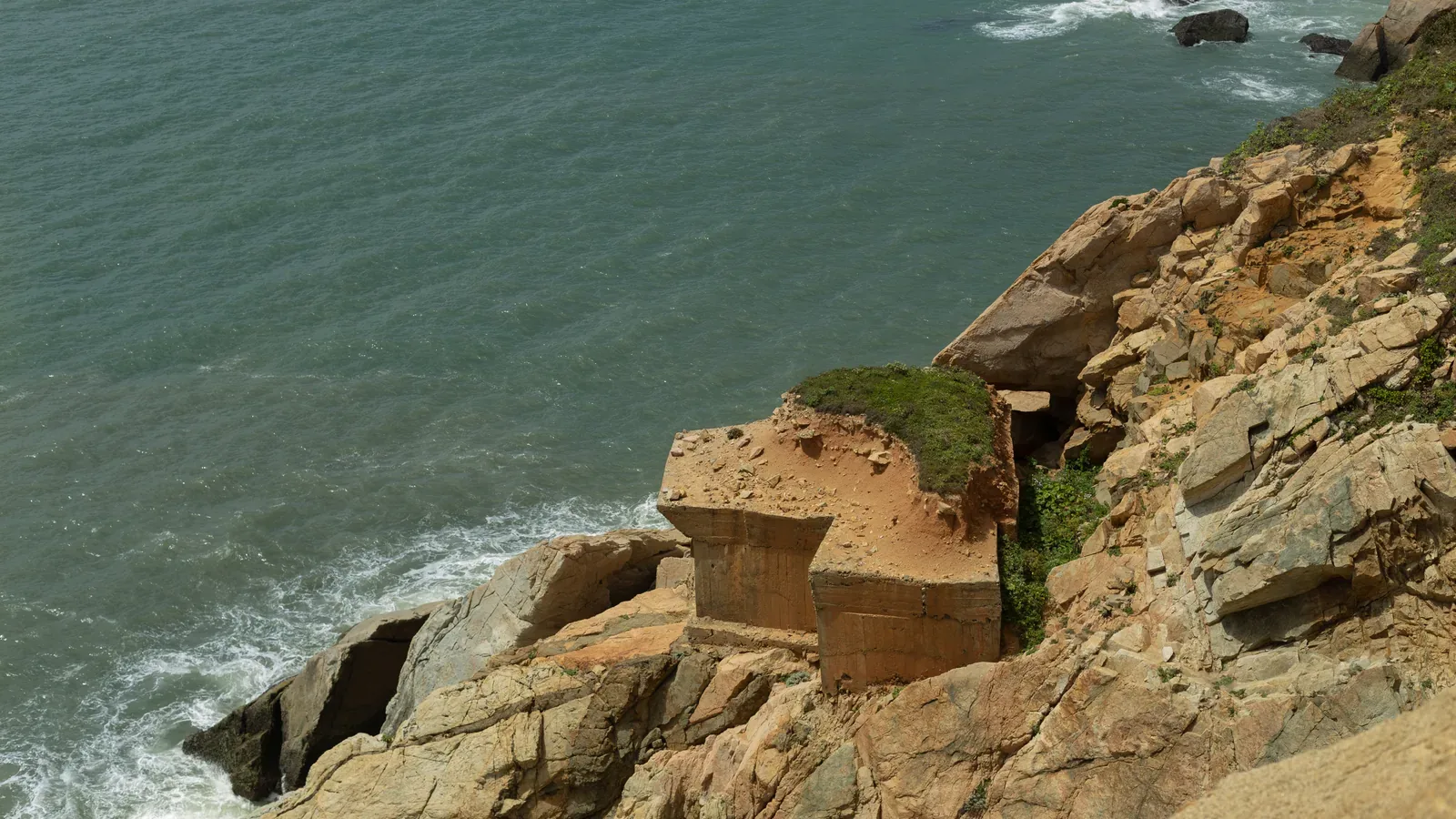
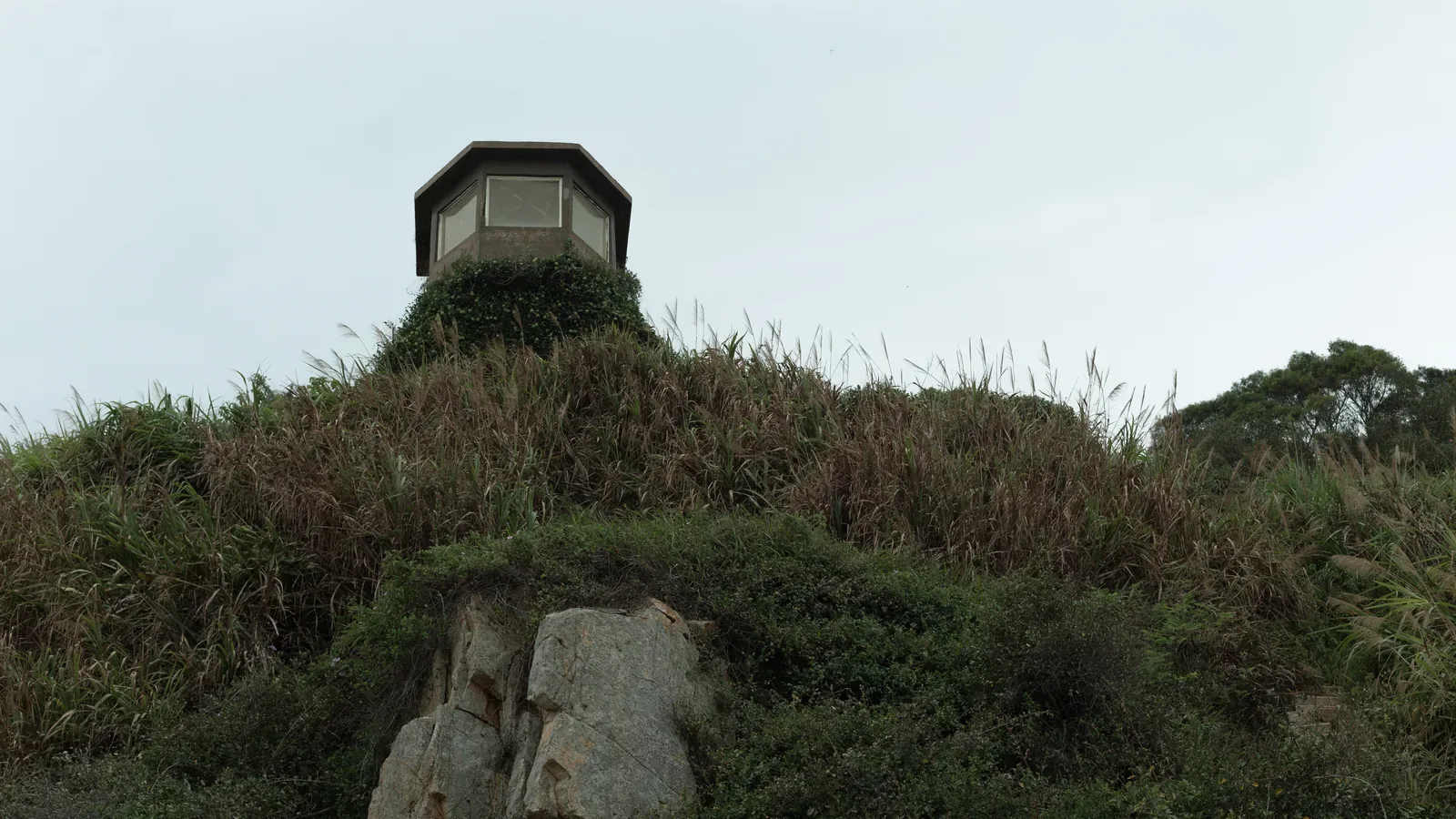
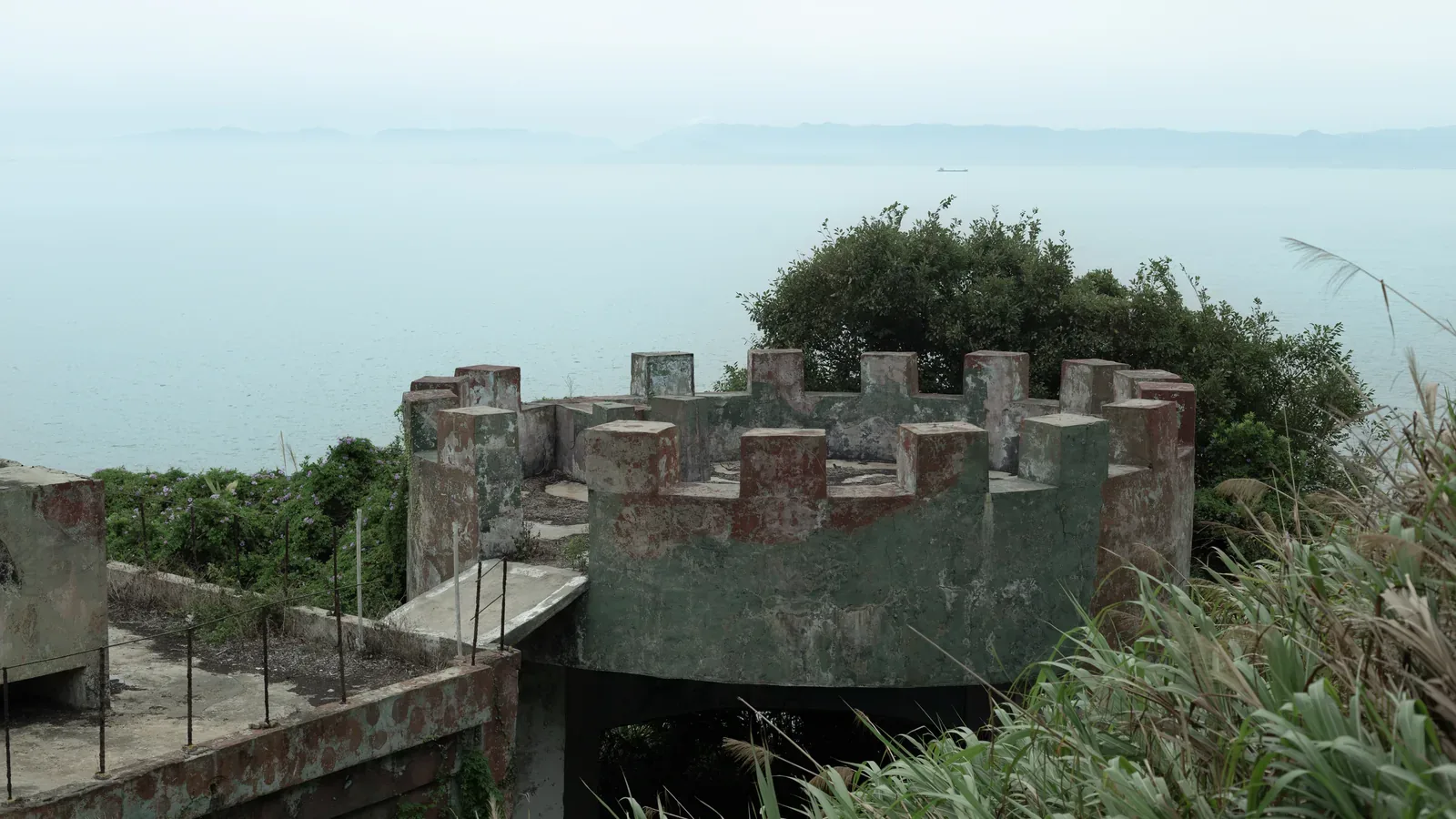
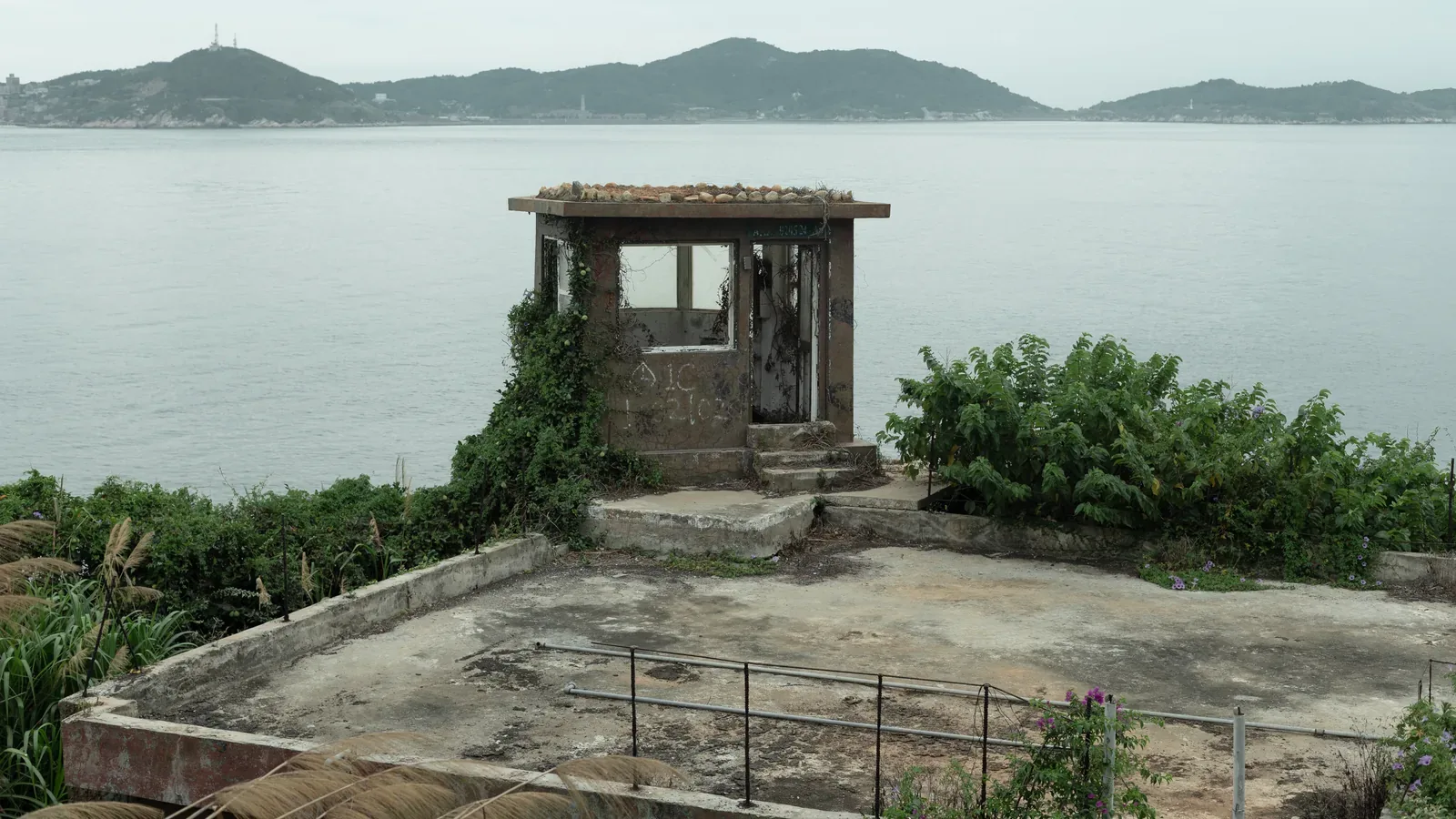
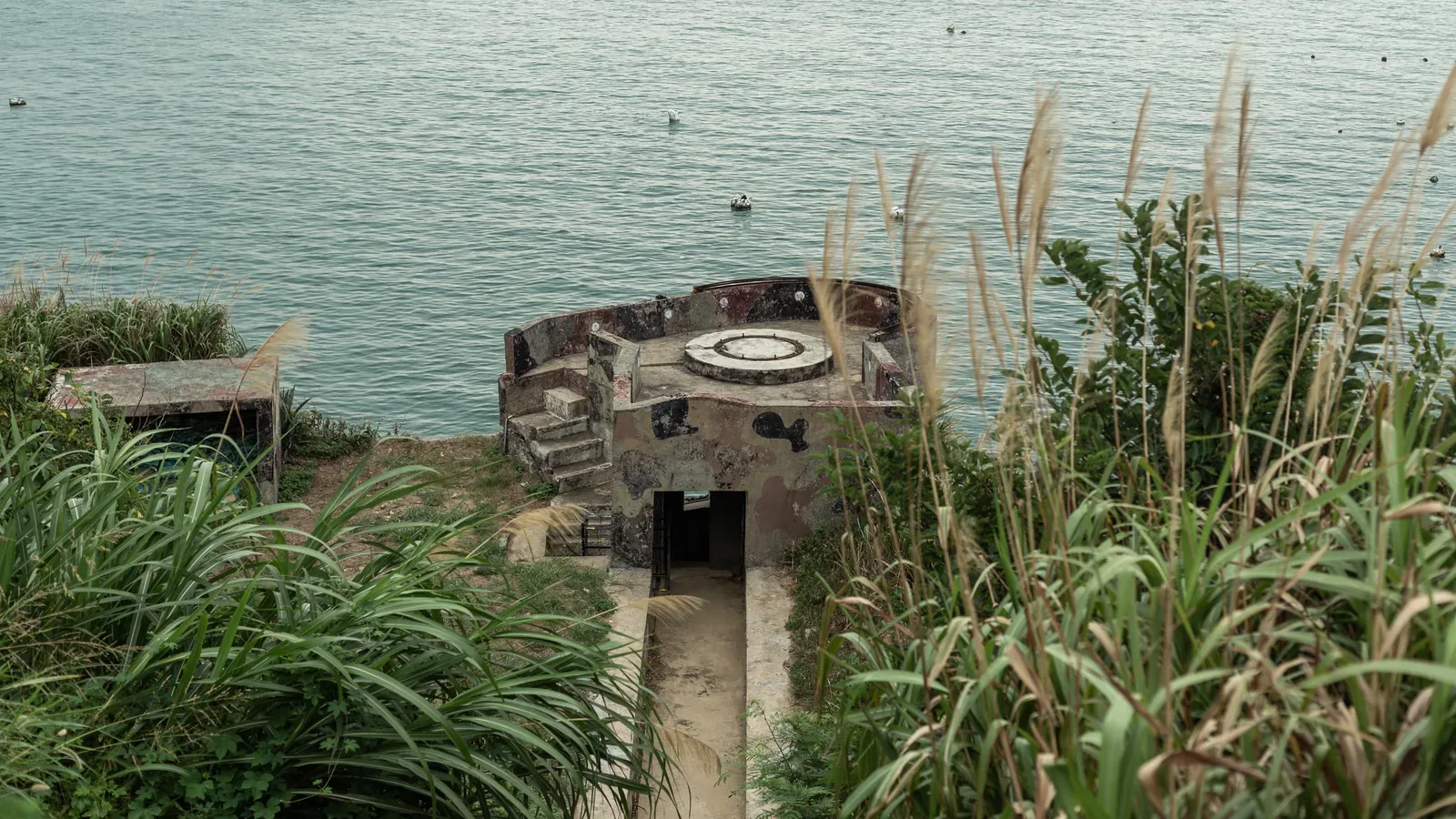
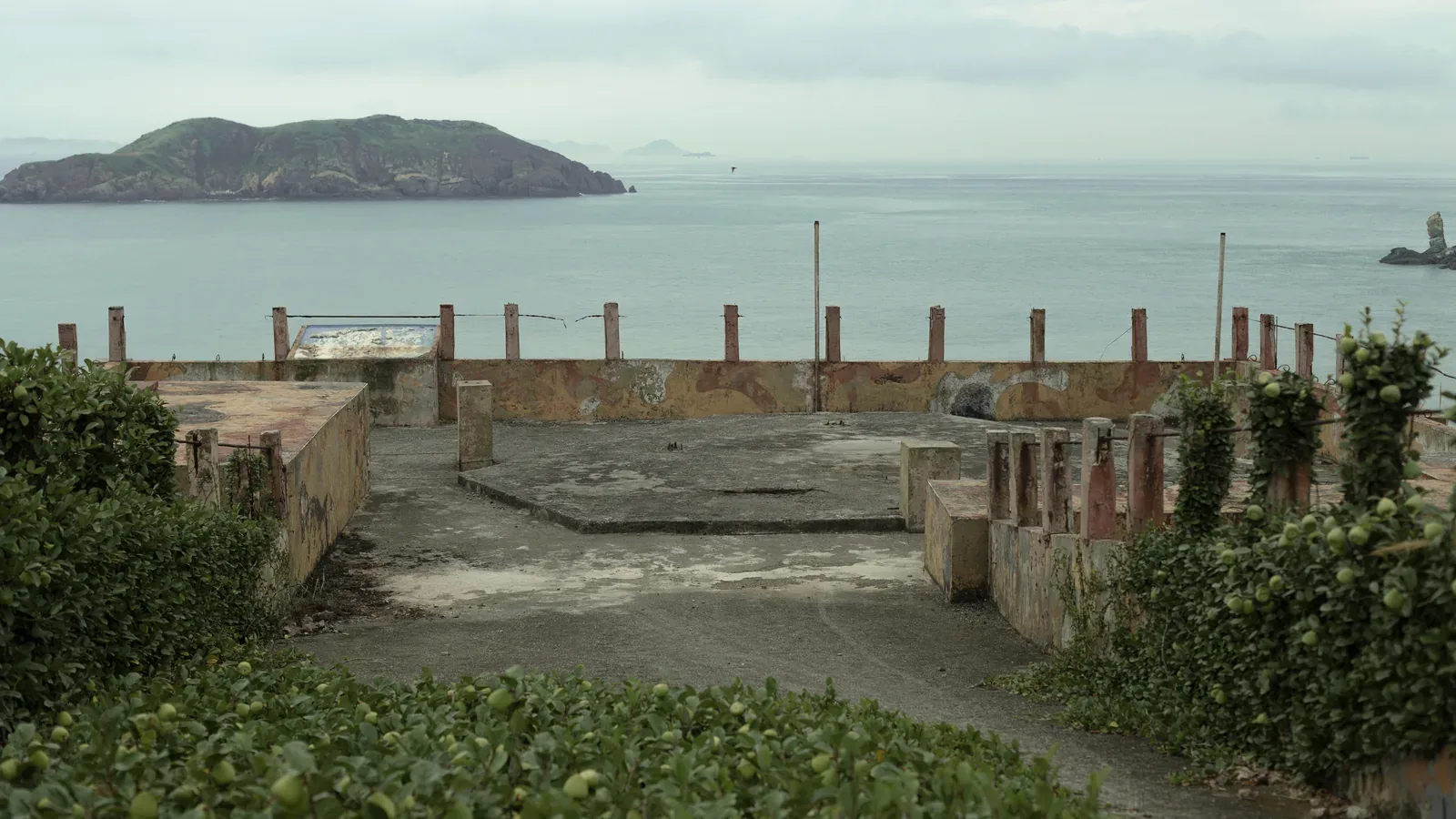
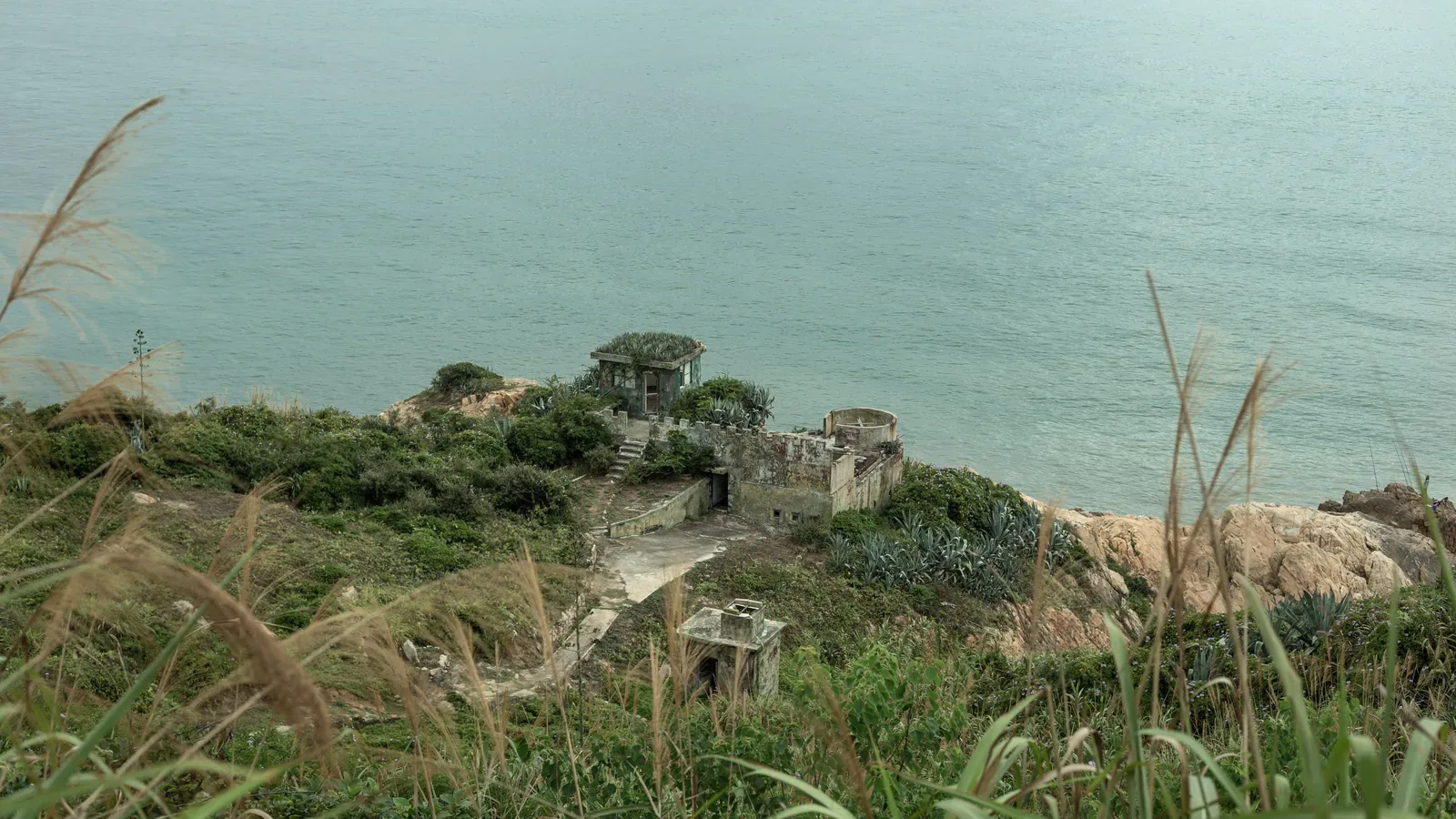
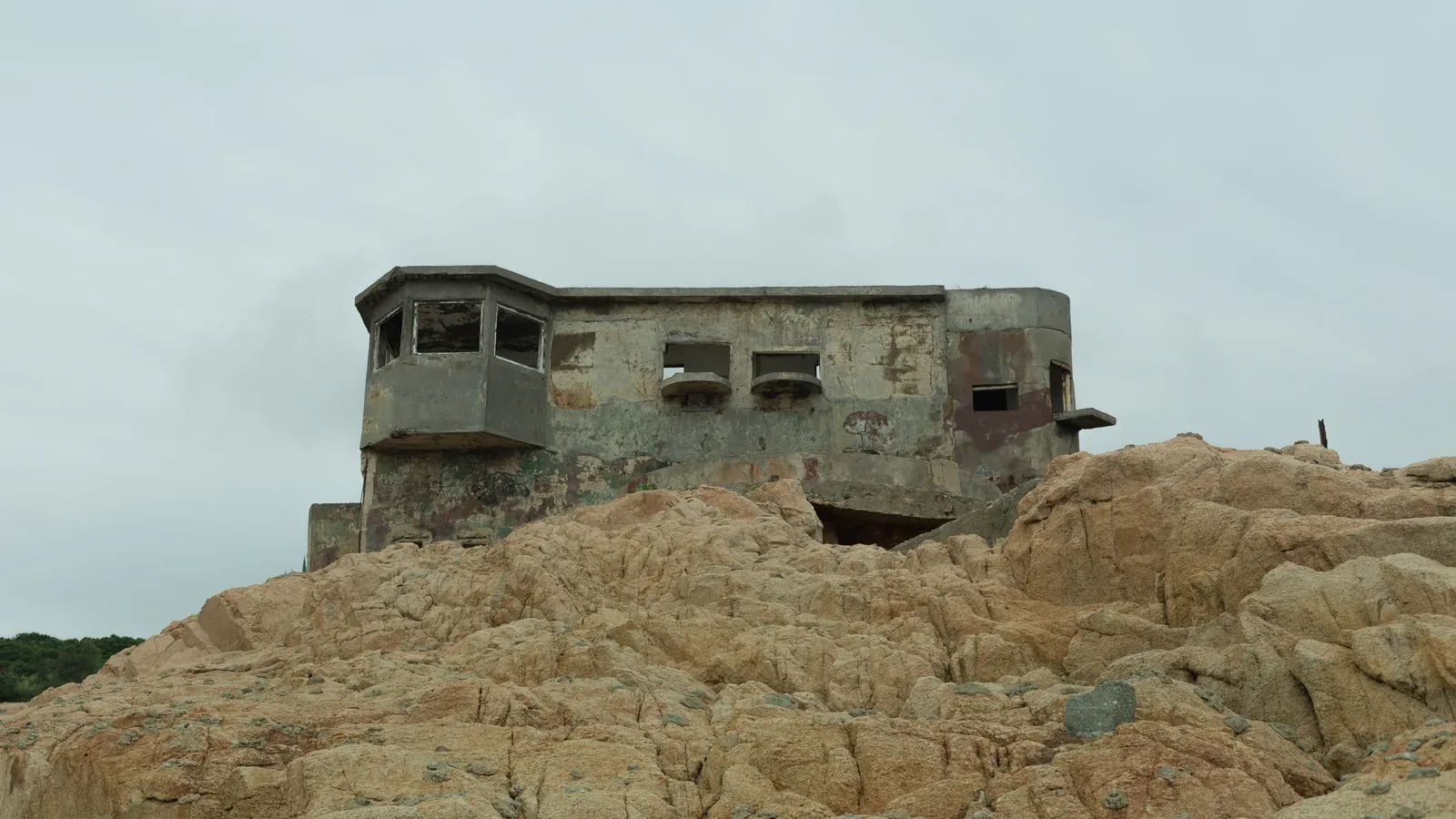
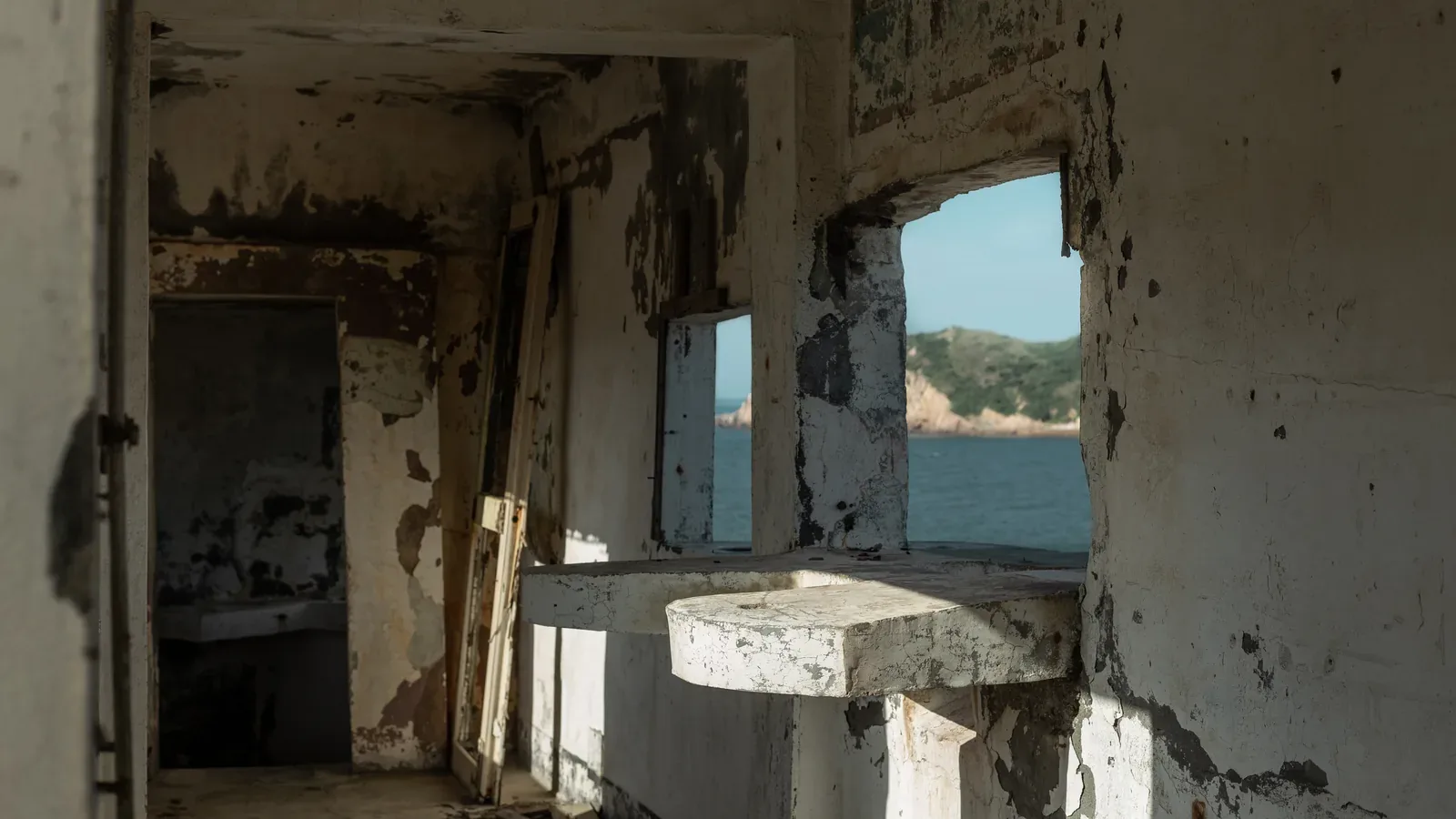
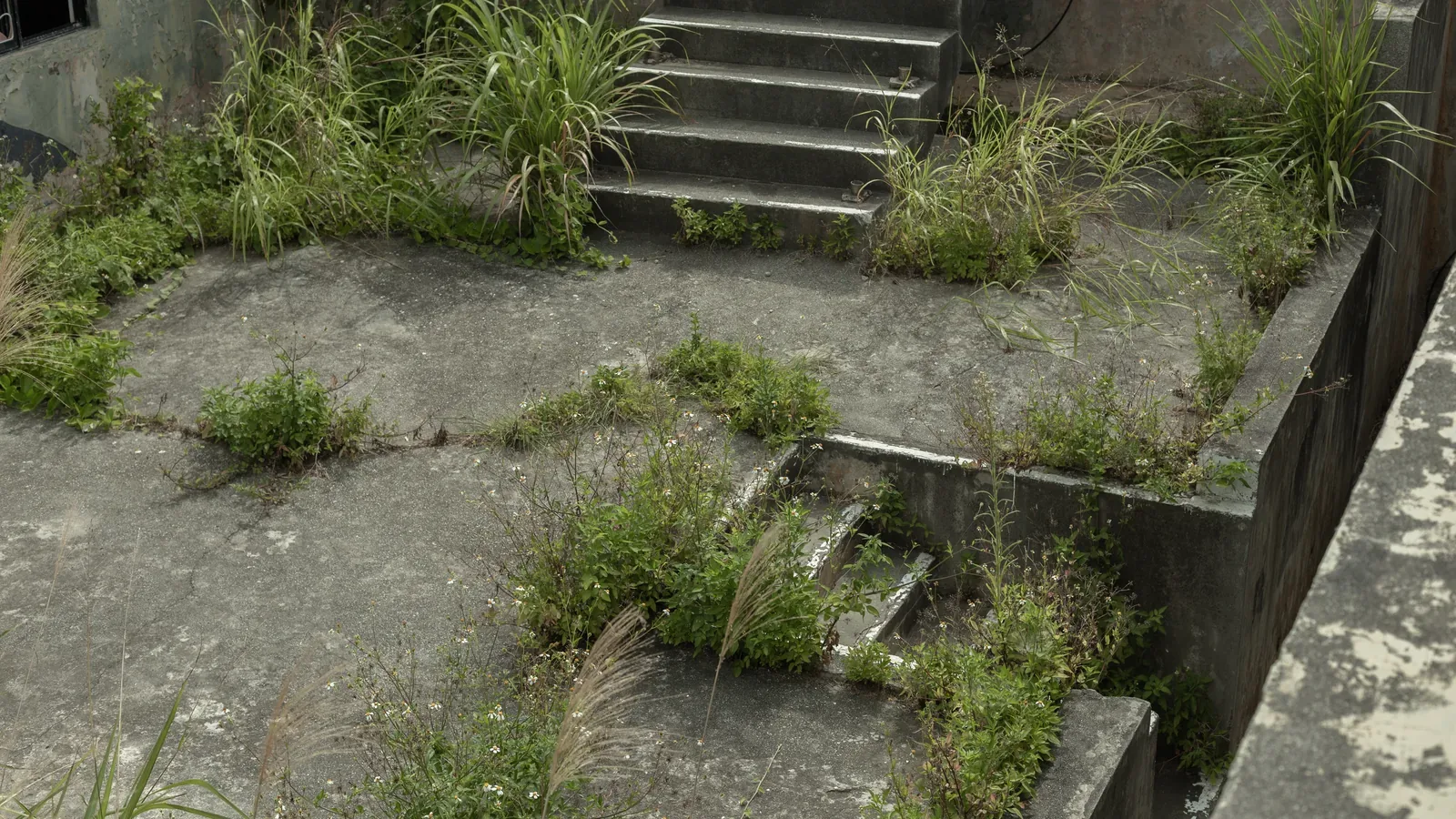
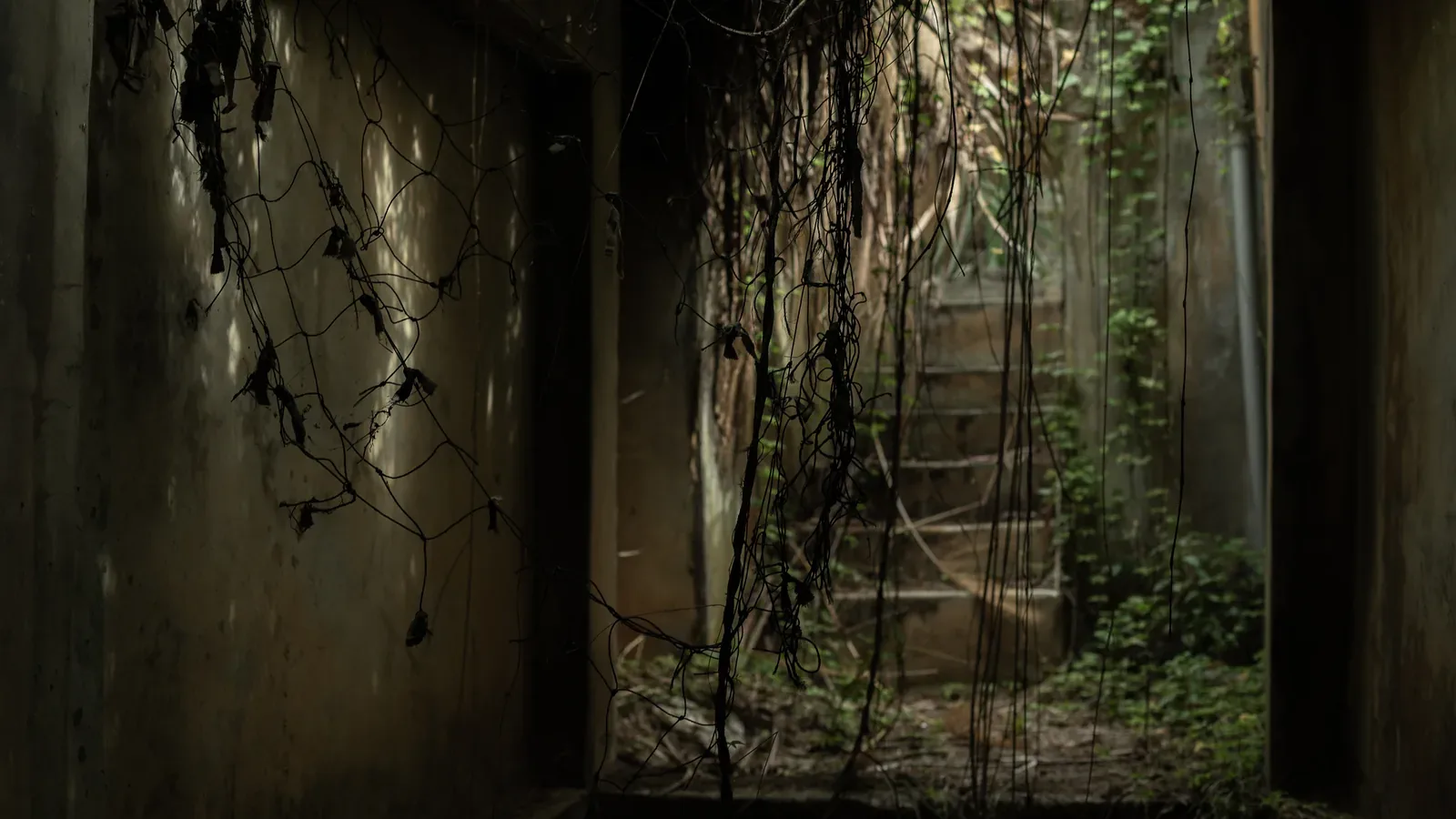
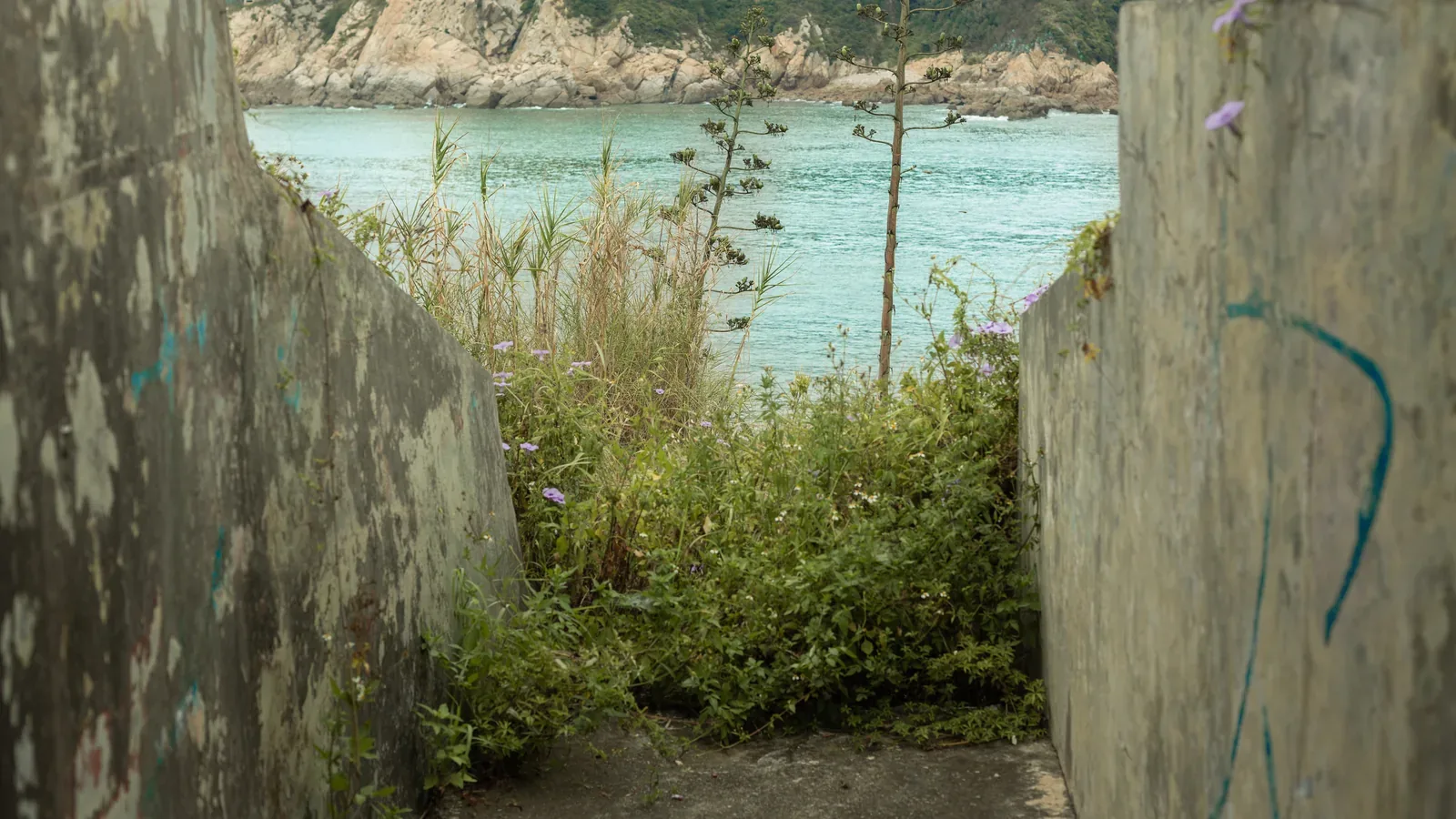
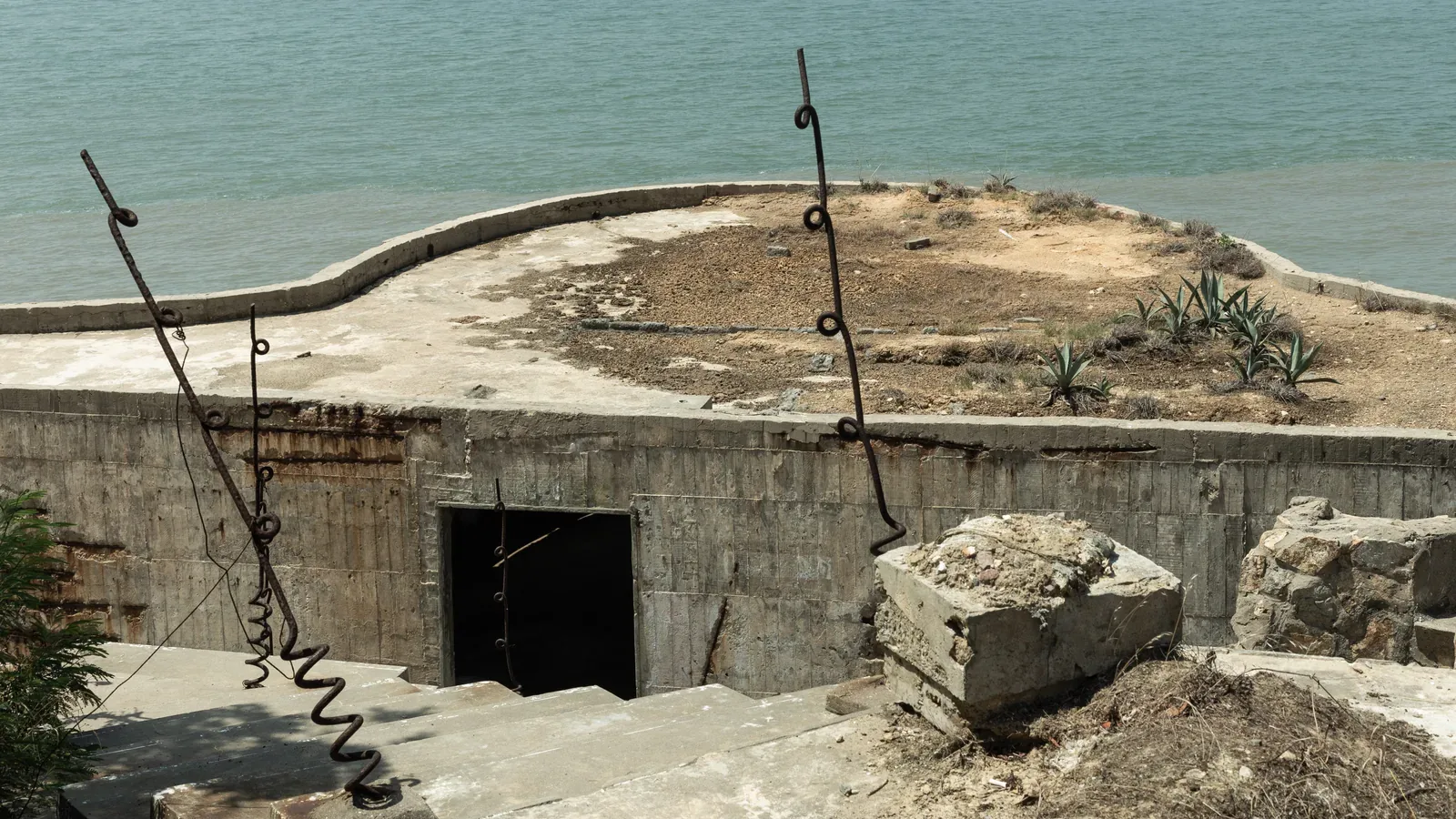
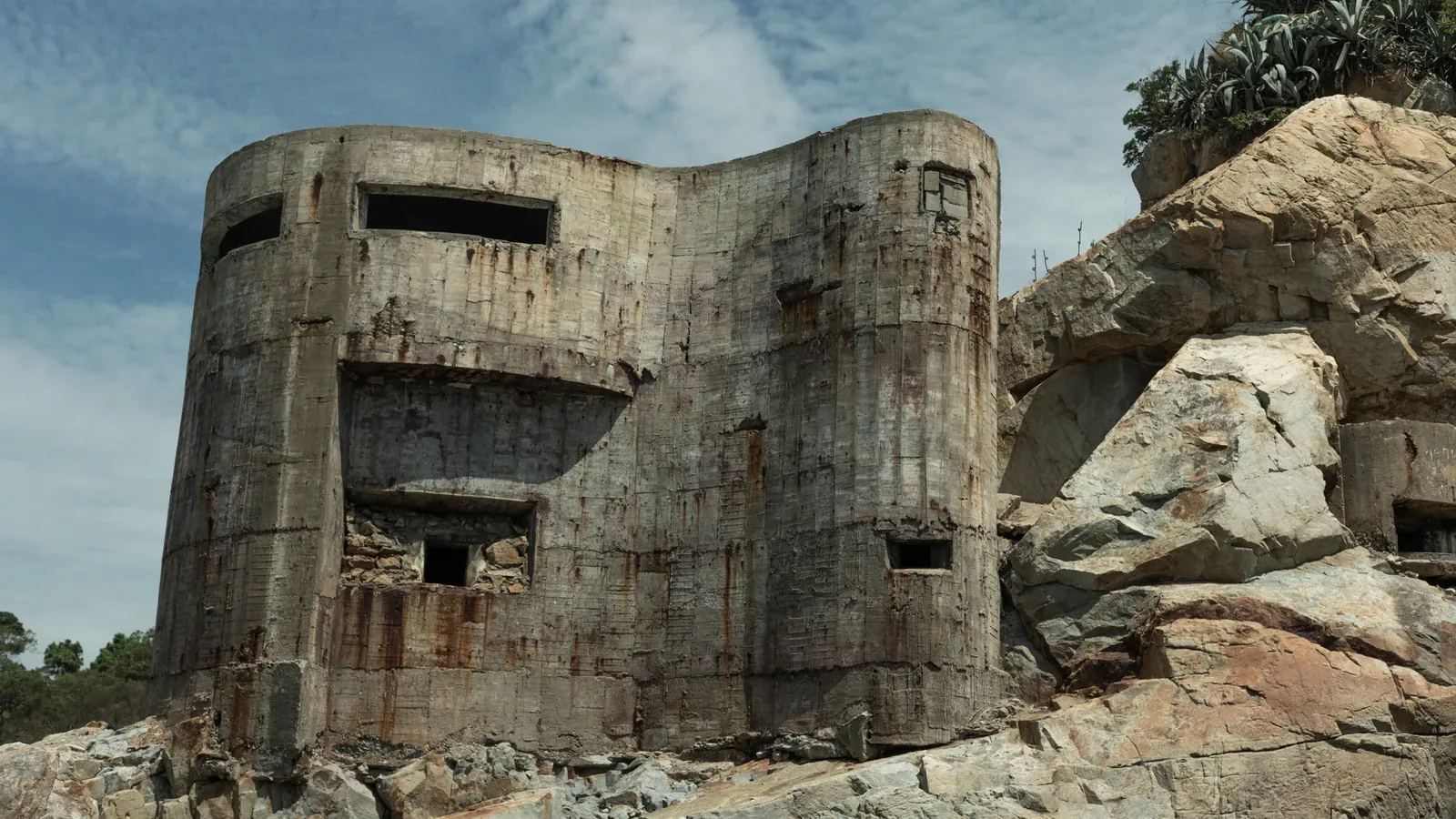
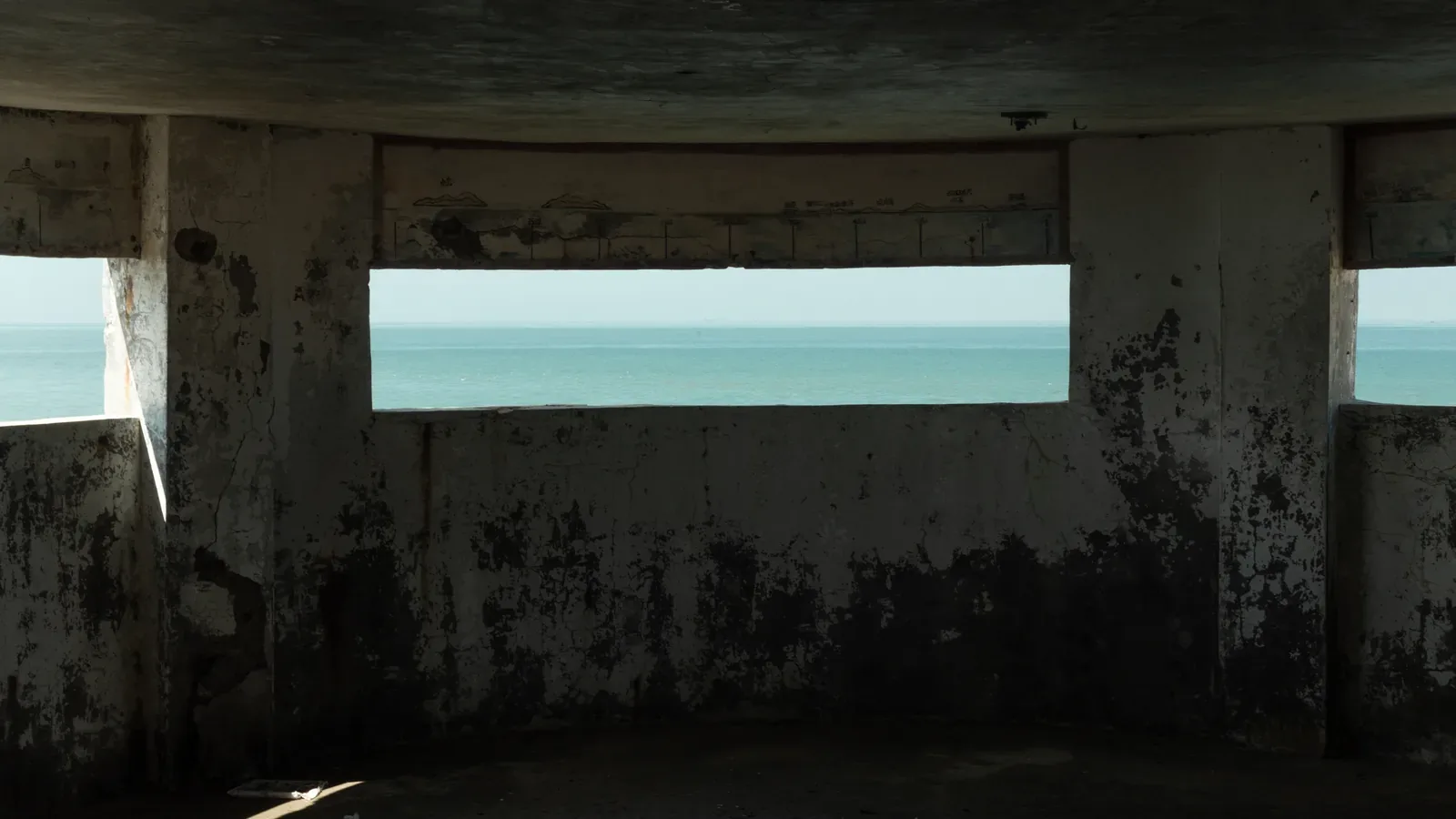
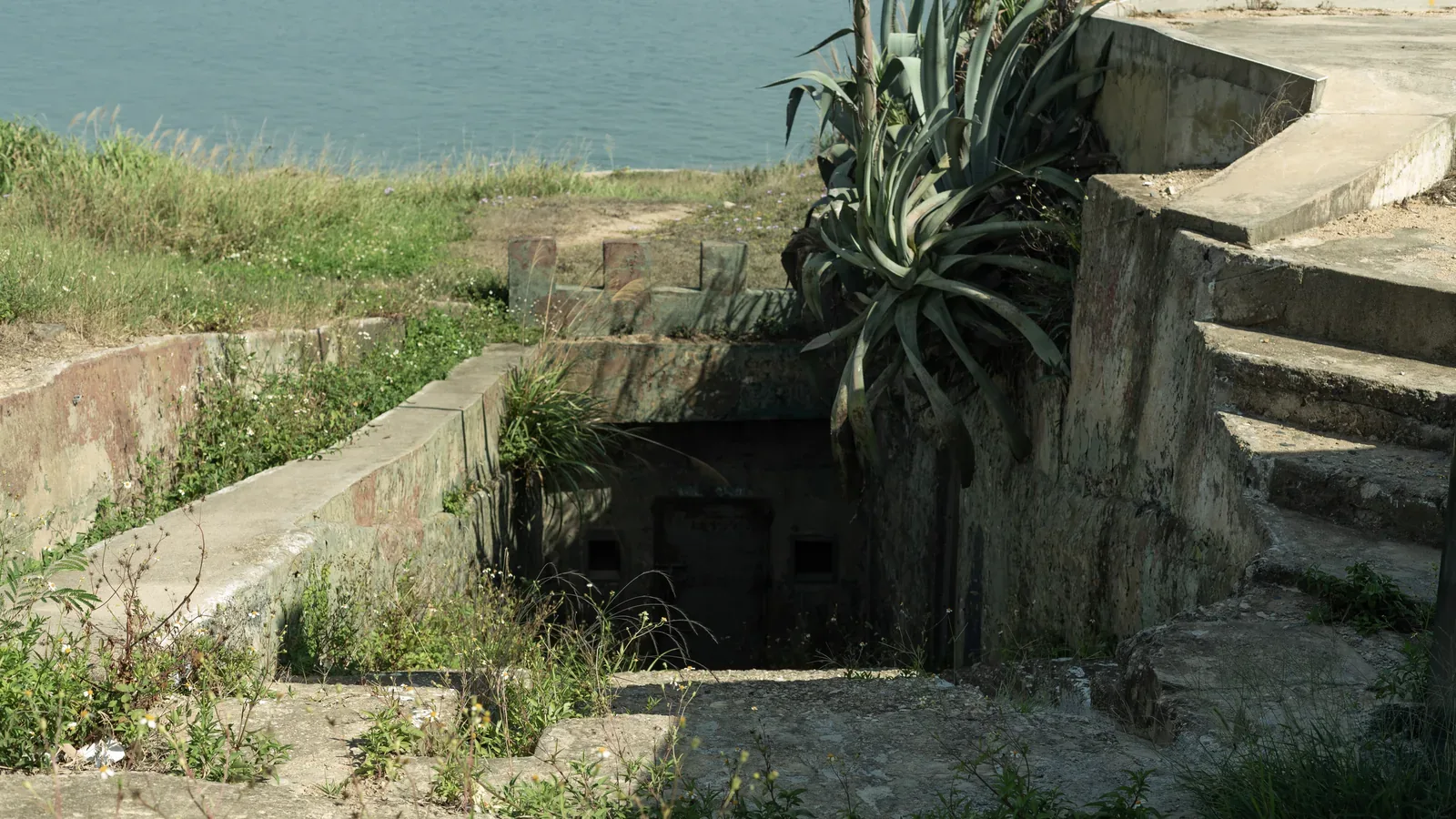
The artists document the appearance of these unused military strongholds, depicting the spatial appearance and visual characteristics of each one through the juxtaposition of photography, video, and textual profiles.
Artist statement
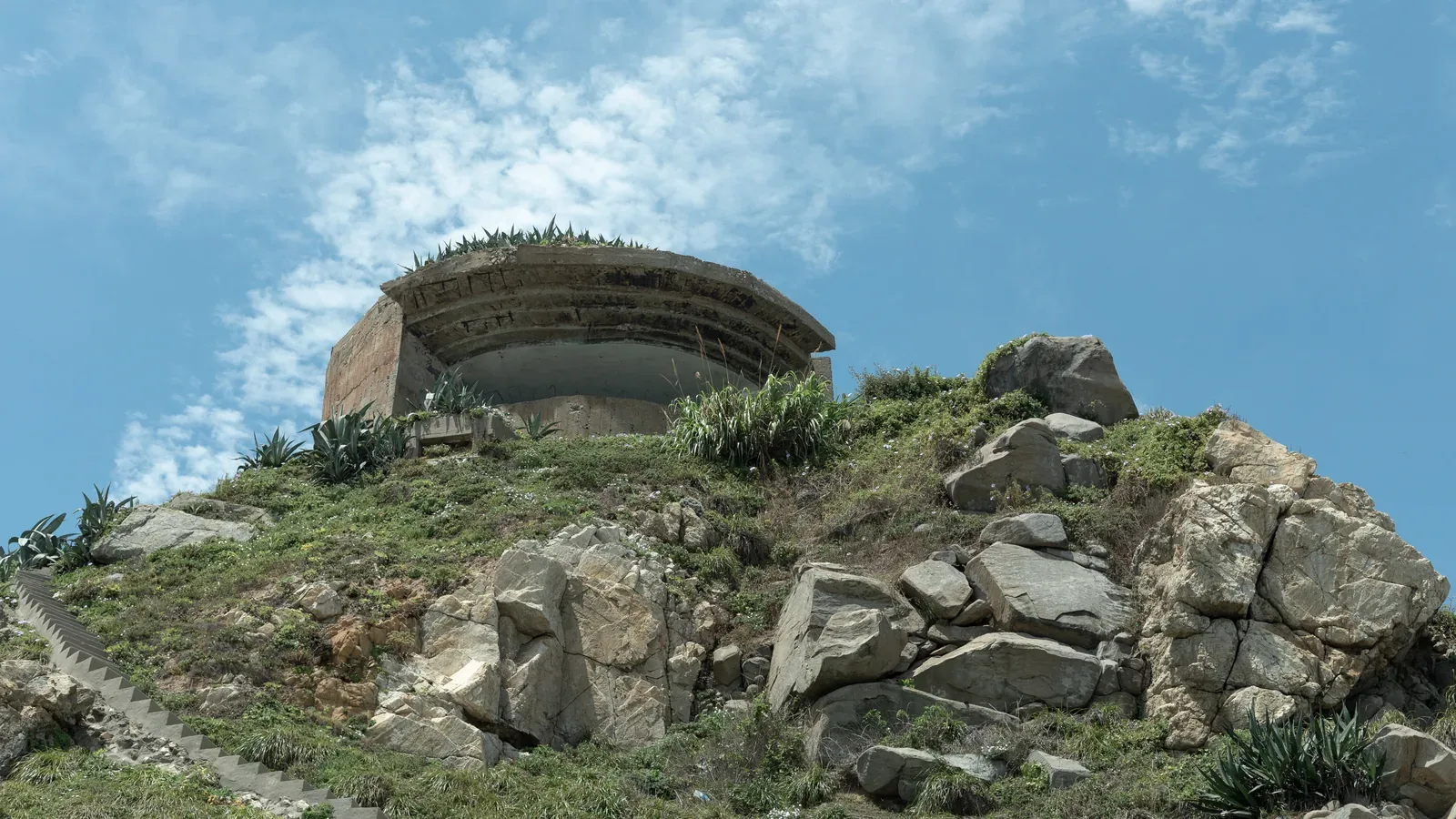
As a military front line, Matsu is ringed by bunkers and military sites of varying sizes. At the edges of the islands, these sites passed through a “gap year” between the departure of military forces and public intervention to reshape their spaces. In that interval, the buildings were free to persist simply as buildings.
Architecture is the material outcome of human action upon nature, an inscription upon the world. It embodies the relationship between people and nature while carrying traces of history and society. Built brick by brick by craftspeople or soldiers to meet the needs of coastal defence, these sites vary in scale, setbacks and tunnel height. Some passages require a lowered head and a bent back; some steps demand a long stride and a raised leg. These distinctive spatial forms, and the bodily experience of moving through them, are the starting point of the work.
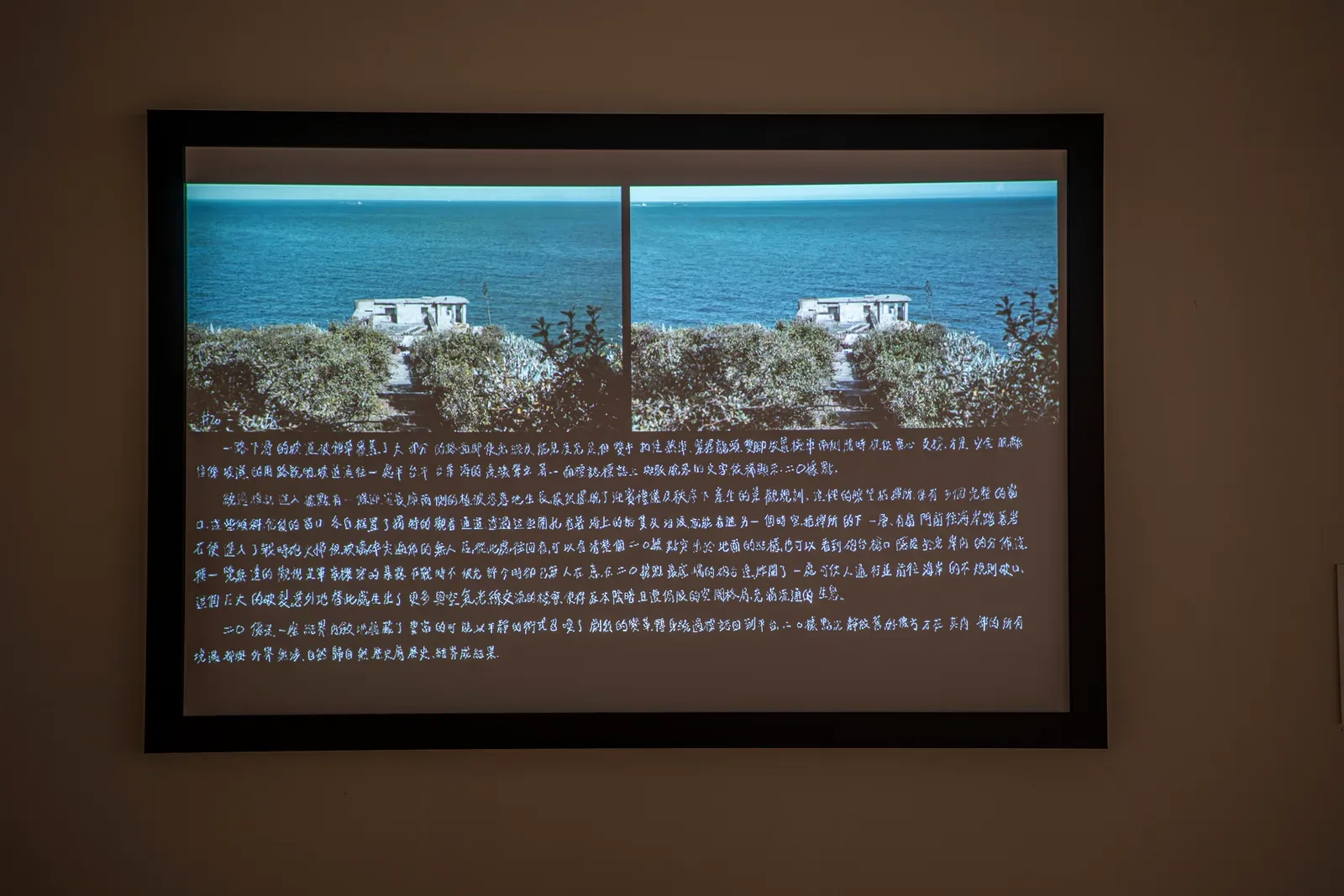
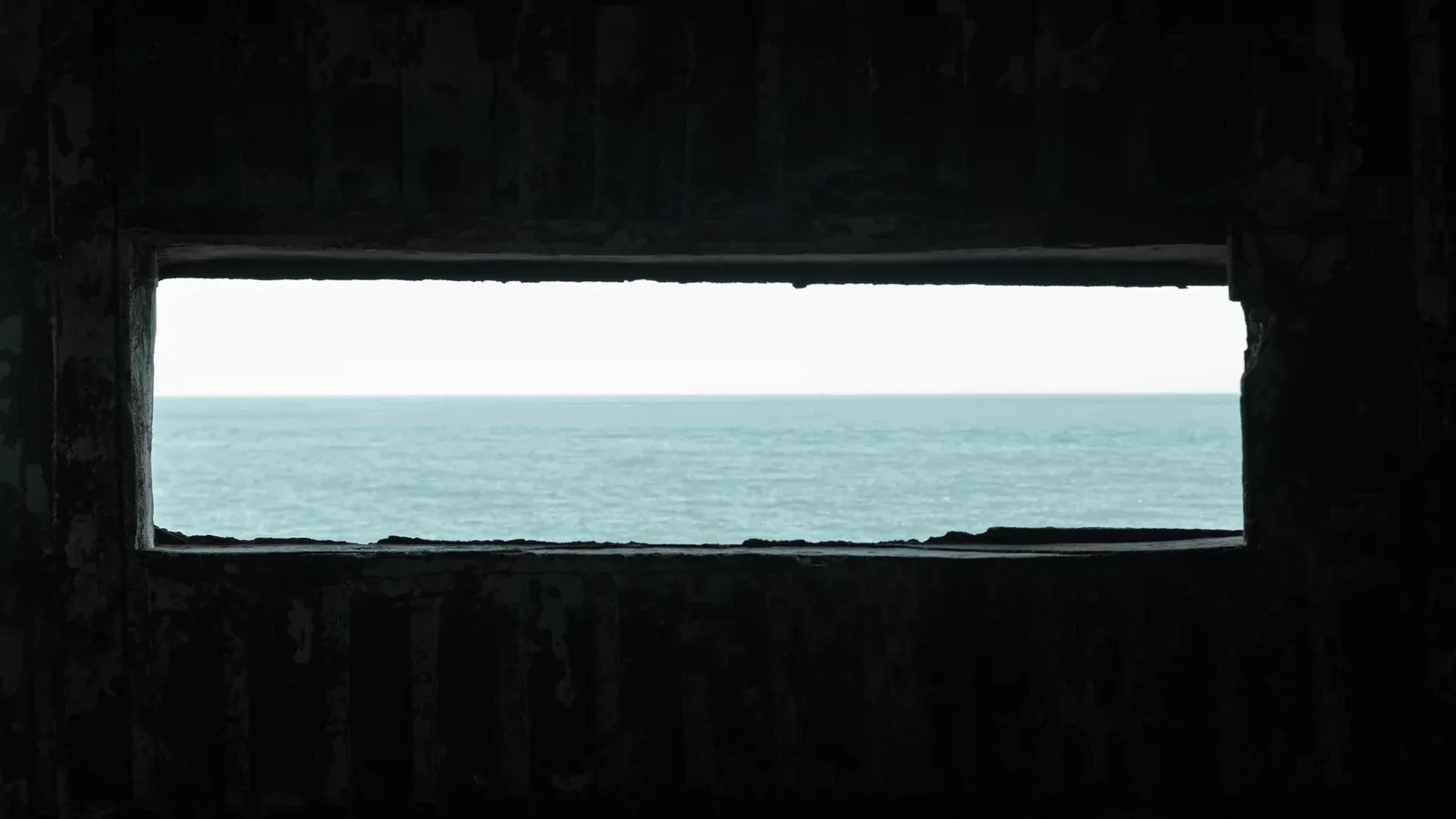
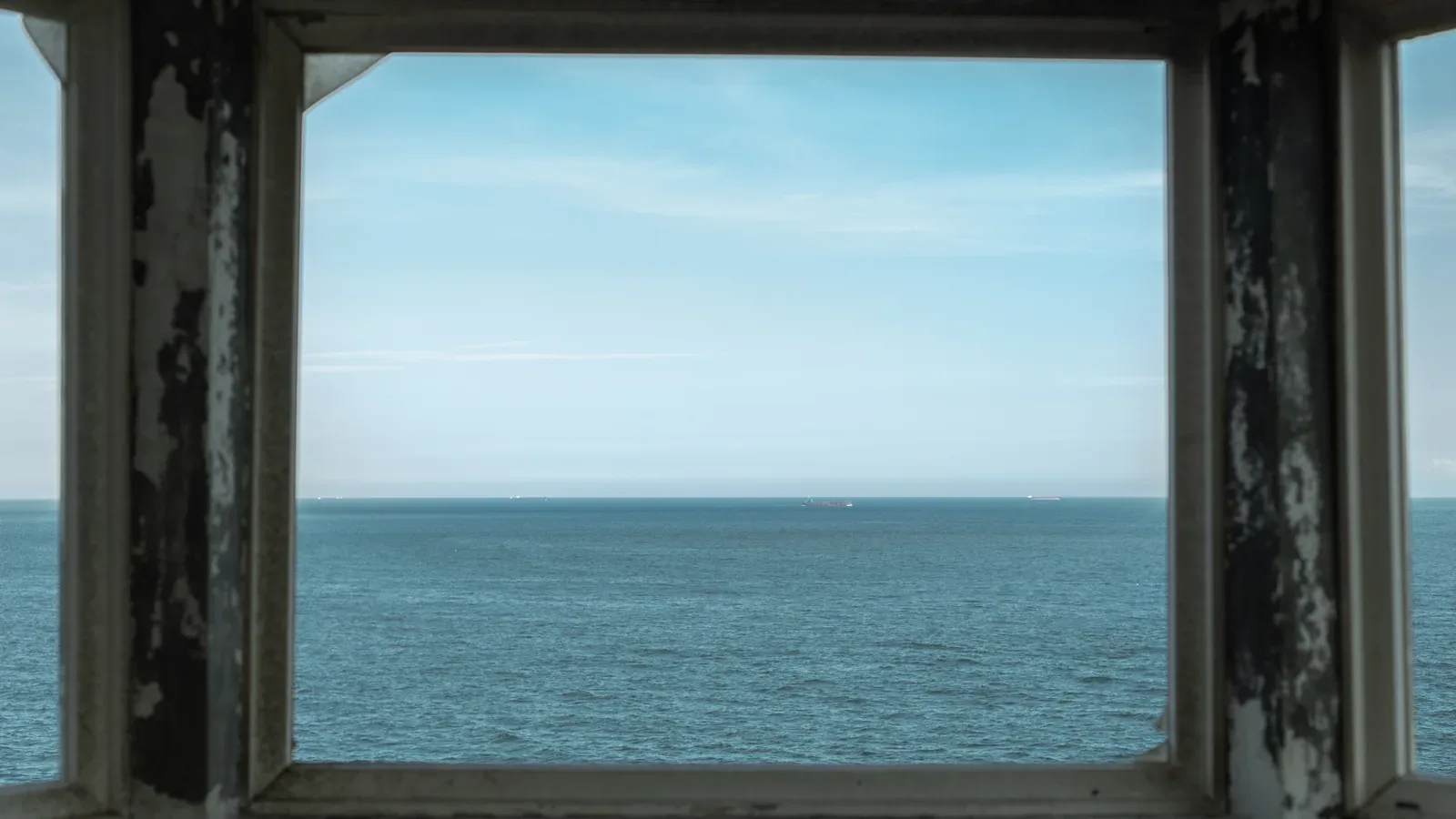
Photography, video and text record the spaces of each site and preserve the experience of looking. Differences in how still and moving images are perceived allow subtle changes, difficult to register in a photograph, to emerge as an image continues through time and asks for closer attention. Concentrated looking offers an imaginative connection to wartime Matsu: through what remains, the work asks time to return a past that will not come back.
Fieldwork on Nangan and Beigan
The fieldwork followed the edges of Nangan and Beigan, covering sites 16, 20, 26, 53 and 80 on Nangan, and 06, 08, 42, 80 and 93 on Beigan. The texts record observations and questions that arose while moving through tunnels, looking out to sea through windows, listening, and encountering vegetation or the alteration of a space.
At Beigan’s Site 93, climbing plants grew along both sides of a broad access ramp and reached towards its centre. The ramp had become a place for plants to grow. This brought the fieldwork back to a question: beyond continually building, removing and rebuilding, what other ways might allow us to reconsider the relationship between human desires and the environment?
Exhibition form
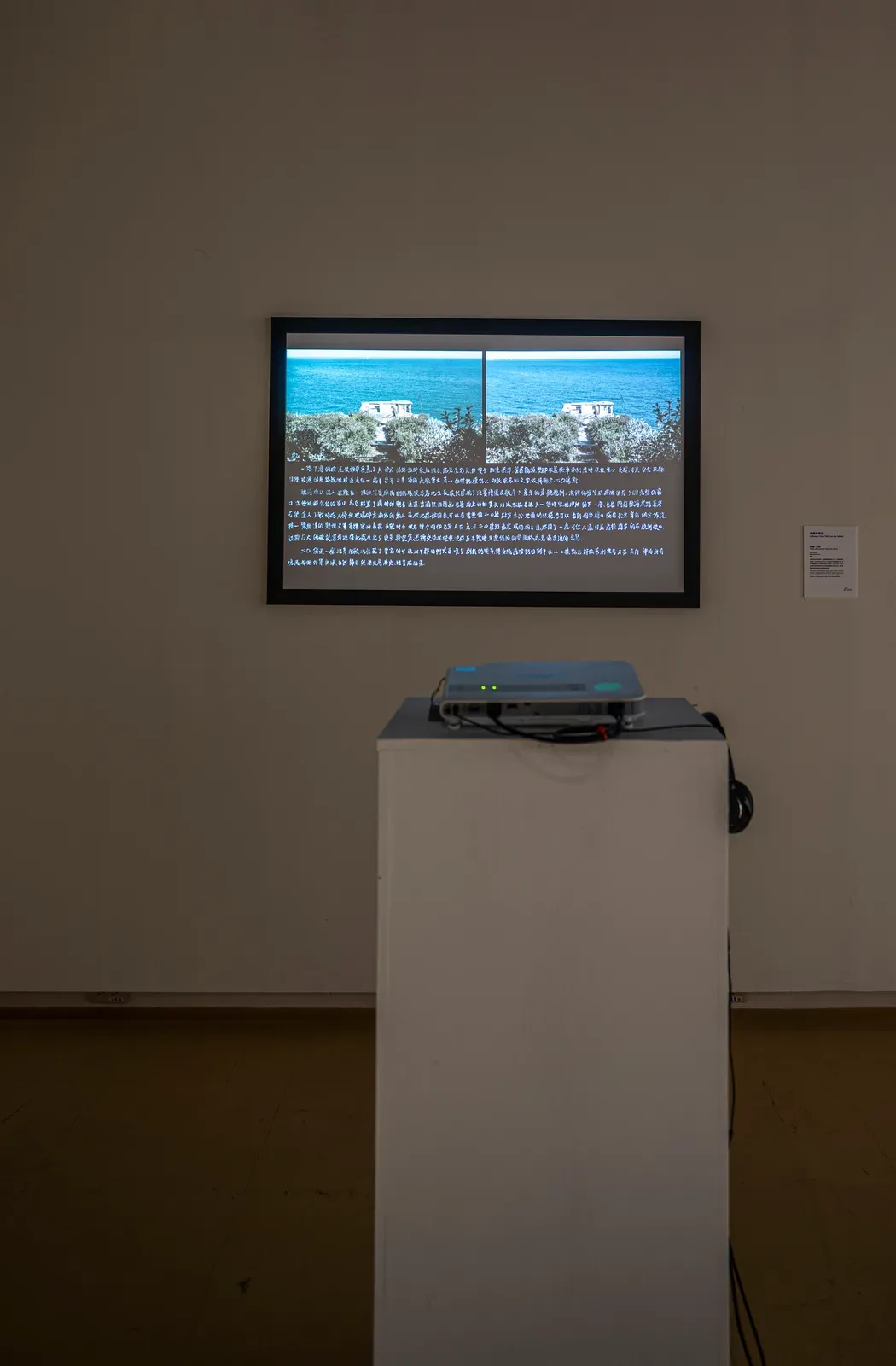
The final work was presented as video, juxtaposing still and moving images with handwritten text. Subtle changes within the images, the time spent looking, and observations carried by the words meet within the same viewing experience.
2022 Matsu Biennial · Nangan Folk Culture Museum; part of 傾聽島嶼的聲音.
Photographs
22 / IMAGESBeigan followed by Nangan, ordered by site number.
2022 Exhibition documentation
02 / EXHIBITION DOCUMENTATIONNangan Folk Culture Museum